Self Assessment Deadline 2026: Everything UK Freelancers Need to Know
The Self Assessment deadline is 31 January 2026. Here's what UK freelancers need to know about filing, penalties, and preparing your tax return without stress.
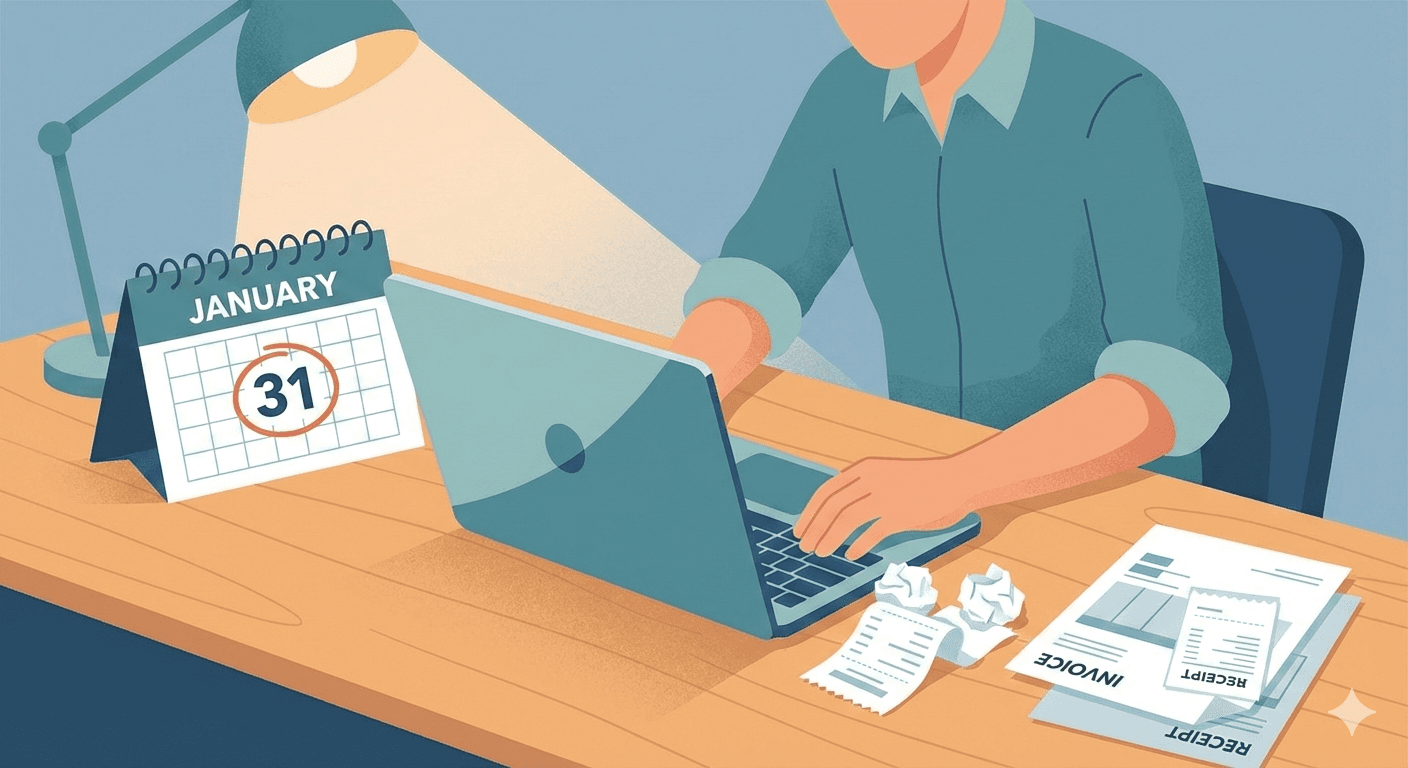
If you're a UK freelancer, late January probably brings a familiar feeling: that creeping dread about the Self Assessment deadline.
The good news? You still have time. The online Self Assessment deadline for the 2024/25 tax year is 31 January 2026—which means you've got just under seven weeks to get your tax return sorted.
This guide will walk you through everything you need to know: key dates, what happens if you're late, and practical tips to make the process less painful. No jargon, no waffle—just the facts you need.
Key Self Assessment Deadlines for 2026
Let's start with the dates you need to know:
- 31 October 2025 (already passed): Paper tax return deadline
- 30 December 2025: Deadline to submit online if you want to pay through your tax code
- 31 January 2026: Online Self Assessment deadline AND payment deadline for tax owed
Most freelancers file online, which means 31 January 2026 is your critical date. Miss this, and you'll face penalties—which we'll cover in a moment.
What Happens If You Miss the Deadline?
HMRC doesn't mess around with late submissions. Here's exactly what you'll face:
Late Filing Penalties
- Immediately after 31 January: £100 flat fee, even if you don't owe any tax
- After 3 months late: £10 per day (up to £900 maximum)
- After 6 months late: 5% of tax owed OR £300 (whichever is greater)
- After 12 months late: Another 5% of tax owed OR £300 (whichever is greater)
Late Payment Penalties
Even if you file on time but don't pay what you owe:
- 30 days late: 5% of unpaid tax
- 6 months late: Another 5% of unpaid tax
- 12 months late: Another 5% of unpaid tax
- Plus: Interest charged daily on the amount you owe (check gov.uk for the current rate, which changes with the Bank of England base rate)
The takeaway? A £100 penalty can quickly spiral into hundreds or thousands of pounds if you ignore it. Don't wait.
Getting Your Tax Return Ready: A Practical Checklist
The actual Self Assessment process isn't complicated, but it requires you to have your records in order. Here's what to do now:
1. Register for a Government Gateway Account (If You Haven't Already)
You'll need this to access HMRC's online Self Assessment system. If you're registering for the first time, HMRC will send an activation code by post, which can take up to 10 days. Don't leave this to mid-January.
2. Gather All Your Financial Records
You'll need:
- All invoices you sent to clients (this is where Qazua comes in handy—all your invoices in one place)
- Bank statements showing business income and expenses
- Receipts for allowable expenses (equipment, travel, software subscriptions, etc.)
- Records of any other income (interest, dividends, rental income)
- Records of pension contributions or Gift Aid donations
HMRC requires you to keep these records for at least 5 years after the submission deadline (6 years is recommended, and required if you're VAT-registered). So for your 2024/25 return, you'll need to keep records until at least 31 January 2031.
3. Calculate Your Income and Allowable Expenses
Add up your total freelance income for the 2024/25 tax year (6 April 2024 to 5 April 2025). Then calculate your allowable business expenses—things like:
- Office equipment and software
- Professional subscriptions
- Business travel and accommodation
- Workspace costs (if you work from home, you can claim a simplified flat rate)
- Accountancy fees
The difference between your income and expenses is your taxable profit.
4. Use HMRC's Free Tools
HMRC provides free calculators and software to help you work out what you owe. Their online Self Assessment system guides you through each section step-by-step.
5. Don't Wait Until the Last Minute
Every year, HMRC's servers get hammered on 31 January. Pages load slowly, timeouts happen, and stress levels skyrocket. Aim to submit by mid-January at the latest to avoid the rush.
6. Set Aside Money for Your Tax Bill
If you haven't been putting money aside throughout the year, now's the time to check your bank balance. Work out what you'll owe and make sure you have it ready for 31 January.
A rough rule of thumb: if you're a sole trader earning over £50,270, expect to pay 40-45% of your profit in tax and National Insurance. Under that threshold, it's closer to 20-30%.
Heads up about Payments on Account: If your tax bill is over £1,000 and less than 80% of your tax is collected at source (e.g., through PAYE), you'll also need to make two advance payments towards next year's tax bill—one on 31 January and another on 31 July. This catches many first-time filers off guard.
What If You Can't Pay Your Tax Bill?
If you know you can't afford to pay what you owe by 31 January, don't panic—but don't ignore it either.
HMRC offers Time to Pay arrangements, which let you spread payments over several months. You'll need to contact them before the deadline and explain your situation. They're more understanding than you might expect, especially if you're upfront and proactive.
How Qazua Helps with Tax Time
One of the biggest headaches at tax return time is tracking down all your invoices. Did you get paid for that project in May? What was the total for that client across the year? Which invoices are still outstanding?
This is where Qazua makes life easier. Instead of digging through emails, spreadsheets, and bank statements:
- All your invoices are stored in one place
- You can filter by date range to see exactly what you earned in the 2024/25 tax year
- You can track which invoices were paid and when
- Everything's organized and ready when you need it
For £4.99/month, you get rid of the invoice chaos and make tax season significantly less stressful. Plus, you can try it free for 30 days—no credit card needed.
Common Self Assessment Mistakes to Avoid
- Forgetting to declare all income: Even if a client didn't send you a P60 or invoice, you still need to declare the income
- Claiming non-allowable expenses: That new laptop is fine. Your gym membership isn't (unless you're a personal trainer)
- Missing the deadline because you thought you'd registered: Check your Government Gateway access works before January
- Not keeping records: HMRC can request proof of your income and expenses for up to 5 years
- Waiting until 31 January to discover you can't pay: Contact HMRC early if you'll struggle with payment
Final Thoughts: You've Got This
The Self Assessment deadline feels daunting, but it's manageable if you tackle it in stages. Start gathering your records now, set aside a few hours to work through the online form, and submit well before the last-minute rush.
And if you're tired of scrambling to find invoices every tax season, give Qazua a try. It won't file your tax return for you, but it will make sure your invoicing records are organized, professional, and ready when you need them.
Important disclaimer: This article provides general information about Self Assessment deadlines and is not financial or tax advice. Tax rules can be complex and vary based on individual circumstances. For specific advice about your situation, consult a qualified accountant or tax advisor. Always check gov.uk for the most up-to-date official information.